PURE WEIGHT MANAGEMENT
All the insights you need for a successful GLP-1 weight management journey.
We’re with you every step of the way, making sure you have all the facts, updates, and guidance on managing your weight with GLP-1 medication.
What are GLP-1 Medications?
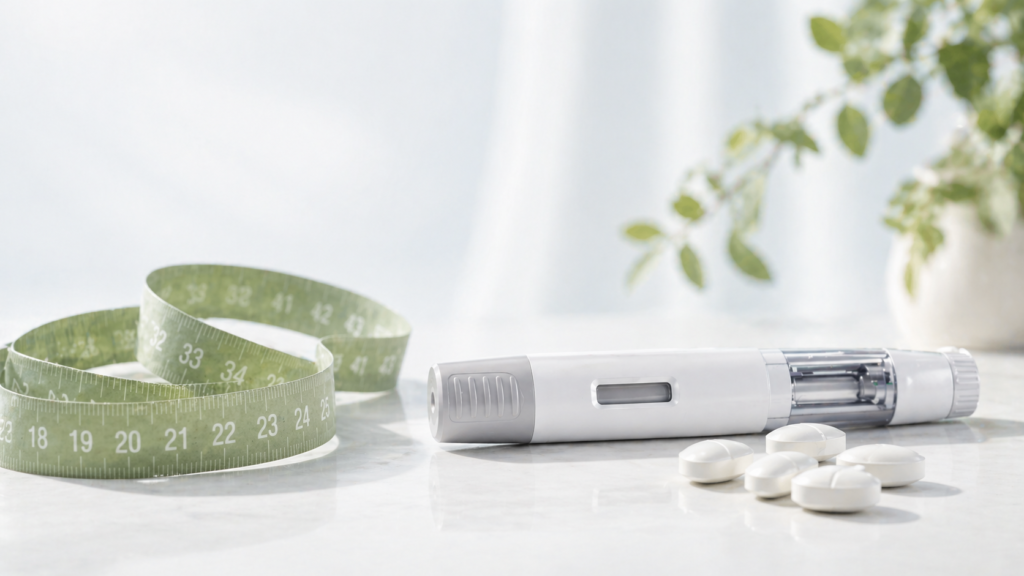
Wegovy (semaglutide) and Zepbound (tirzepatide) are prescription injectable medications approved by the FDA for weight management. They are used alongside a healthy diet and regular physical activity in people with obesity, or in people who are overweight and have at least one weight-related health condition (such as high blood pressure, high cholesterol, or prediabetes). Wegovy is also approved for patients aged 12 and older.
These are not diet pills — they are once-weekly injections given under the skin (like an insulin pen) that you administer yourself at home.
How Do They Work?
Both medications mimic a natural gut hormone called GLP-1 (glucagon-like peptide-1) that your body releases after eating. GLP-1 sends signals to your brain that you’re full, which reduces appetite and food cravings.
Here’s what they do:
Reduce hunger and appetite by acting on areas of the brain that control how much you want to eat
Slow down how fast your stomach empties, so you feel full longer after meals
Help your body manage blood sugar by boosting insulin and lowering glucagon (a hormone that raises blood sugar)
The key difference: Zepbound targets two hormone receptors (GLP-1 and GIP), while Wegovy targets only one (GLP-1). Think of it like Zepbound pressing two buttons in your body’s appetite-control system instead of one.
How Much Weight Can You Expect to Lose?
In clinical trials:
People on Wegovy lost an average of about 15% of their body weight over about 16 months
People on Zepbound (at the highest dose) lost an average of about 21% of their body weight over about 18 months
Weight tends to come back if the medication is stopped, so these are generally considered long-term treatments.
Criteria for prescribing and contra-indication for prescribing GLP-1s
- We will prescribe the medication only if you meet the FDA-approved criteria - BMI (Body Mass Index) Thresholds: A BMI of 30 or higher (obesity). OR a BMI of 27 or higher (overweight) plus at least one weight-related medical condition (e.g., high blood pressure, high cholesterol, type 2 diabetes, sleep apnea, or established cardiovascular disease).
- These drugs are generally avoided or used cautiously in people with: Personal/family history of medullary thyroid cancer; MEN2 syndrome; Severe gastroparesis; Prior pancreatitis; Significant GI motility disorders
- If you are pregnant, planning to become pregnant, or breastfeeding - you cannot take these medications.
- GLP-1 medications should be stopped at least 2 months before a planned pregnancy.
Important to know:
- Both medications are started at a low dose and gradually increased over several weeks to reduce side effects.
- About 6–10% of people in clinical trials stopped the medication because of side effects.
- These medications should be used along with lifestyle changes - they work best when combined with healthy eating and regular exercise.
- Tell your healthcare provider about all medications you take, as these drugs can affect how other medications are absorbed.
Instructions – How to administer the GLP-1?
If you wish to stop taking the medication – notify us immediately so the clinician can advise you of whether you need to taper down on the medication, or if it’s ok to stop abruptly.
Common Side Effects:
Wegovy / Ozempic (semaglutide) and Zepbound (tirzepatide) are generally effective medications, but they can cause both common side effects and rare serious complications. Most people experience mainly gastrointestinal symptoms early on, especially during dose increases.
Most Common Side Effects (>5% of patients), usually worst during the first weeks or after dose increases:
- Nausea (Most common – 1 in 3 to 1 in 2 people)
- Diarrhea (Common – 1 in 4 to 1 in 3)
- Vomiting (Common – 1 in 8 to 1 in 4)
- Constipation (Common – 1 in 10 to 1 in 4)
- Abdominal pain/cramps (Common – 1 in 10 to 1 in 5)
- Bloating/fullness (Common)
- Heartburn/reflux (Common)
- Burping/sulfur burps (Sometimes)
- Mild headache/Dizziness and Fatigue (Sometimes)
- Loss of appetite (Expected effect)
- Injection-site reactions (redness, itching, bruising)
These happen because the drugs slow stomach emptying and reduce appetite.
Less common but clinically important:
- Dehydration – usually secondary to nausea, vomiting, diarrhea or poor oral intake (Dizziness, weakness, tachycardia, syncope).
Tips to manage side effects:
Eat smaller meals and eat slowly
Avoid greasy, fried, or high-fat foods
Stay well hydrated
Limit alcohol and carbonated drinks
Increase fiber intake gradually to help with constipation
The side effect most people struggle with is GI slowing
Both medications slow digestion significantly.
For some people this is mild.
For others, it can become:
- severe constipation
- reflux
- stomach pain
- vomiting
- inability to tolerate meals
Risk increases if you already take medications that slow the gut, including:
- amitriptyline
- opioids
- anticholinergics
- some psychiatric medications
Differences between Ozempic and Zepbound
Zepbound/tirzepatide tends to:
- produce more weight loss
- sometimes produce more GI side effects initially
But individual tolerance varies a lot.
Less talked-about Real-world Side Effects:
- Muscle loss - Rapid weight loss can include loss of: muscle mass strength Protein intake and resistance exercise become important.
- “Ozempic face” - Rapid fat loss can make: face appear gaunt skin looser This is not dangerous medically, just cosmetic.
- Hair loss - Can occur during rapid weight loss, usually temporary. Reported in ≥5% of patients.
- Mood effects - Most people tolerate them psychologically, but some report: anxiety low mood fatigue Data is mixed.
- Anesthesia/surgery issue - Because stomach emptying is delayed, aspiration risk during anesthesia may increase. Many anesthesiologists now recommend stopping these medications before procedures/surgery.
- Heart rate increase (for Wegov) - the most frequently observed cardiovascular effect, with increases of ≥10 bpm in ~41% of patients (vs. 34% placebo); patients should report palpitations or racing heartbeat at rest.
- Oral contraceptive interference (for Zepbound) - Tirzepatide delays gastric emptying and may reduce the effectiveness of oral contraceptives; a non-oral or barrier method is recommended for the first 4 weeks after initiation and after each dose increase.
- Lab abnormalities - elevated lipase, amylase, mild transient in liver tests
Practical reality
- Most patients who tolerate the starting doses do reasonably well long-term, especially with: slow dose escalation smaller meals hydration adequate protein constipation prevention
- The people who struggle most often: increase doses too quickly already have GI motility issues get dehydrated try to “not eat at all”
Seek urgent medical attention at your nearest Emergency Room, if you are experiencing:
- severe abdominal pain
- right upper quadrant pain with fever
- persistent vomiting
- inability to keep fluids down
- black/bloody stools
- jaundice
- chest pain
- signs of severe dehydration
- inability to pass stool or gas (signs of bowel obstruction)
- severe weakness/confusion
- facial swelling or difficulty breathing
- new vision changes
- significant difficulty swallowing or neck mass
- Pregnancy while on GLP-1 medication - see your GP or OBGyn immediately
Serious but Uncommon Side Effects, based on FDA labeling and clinical trial data: Medications should be discontinued immediately.
1. Acute Pancreatitis
Inflammation of the pancreas including rare cases of necrotizing or hemorrhagic pancreatitis.
Symptoms:
- severe persistent upper abdominal pain
- pain radiating to the back
- persistent nausea and vomiting
2. Gallbladder disease
Rapid weight loss can increase:
- gallstones (cholelithiasis)
- Acute cholecystitis)
- Biliary colic
- gallbladder inflammation
occur at higher rates than placebo; semaglutide trials reported cholelithiasis in ~1.6% vs. 0.7% on placebo; tirzepatide trials reported cholecystitis in ≤0.6–1.4%
Symptoms:
- right upper abdominal pain
- pain after meals/nausea after fatty meals
- jaundice
- fever
3. Acute Kidney injury/dehydration
Usually secondary to:
- vomiting
- diarrhea
- dehydration
Risk factors: older age, if someone already has chronic kidney disease or concurrent diuretics or takes medications affecting electrolytes/fluid balance.
4. Severe allergic hypersensitivity reactions –
Rare but potentially life-threatning. Some patients develop anaphylaxis and angioedema have been reported in postmarketing surveillance.
Symptoms:
- facial swelling
- tongue swelling
- wheezing
- shortness of breat
- hypotension
5. Severe delayed gastric emptying / gastroparesis
This has received a lot of attention recently. A 2025 retrospective analysis reported an incidence of ~6.5 events per 1,000 person-years; contraindicated in severe Gastroparesis.
Some patients develop:
- severe fullness after small meals
- inability to eat normally
- persistent nausea
- chronic vomiting
- food remaining in stomach for prolonged periods
This appears uncommon, but risk is higher in people with preexisting GI motility problems.
6. Bowel obstruction / ileus
Rare but potentially serious.
Some patients develop:
- severe abdominal pain
- distention
- inability to pass stool or gas
7. Thyroid C-cell tumors (boxed warning)
Both drugs carry an FDA boxed warning for possible thyroid C-cell tumors based on rodent studies. Human risk remains unproven.
Contraindicated in patients with:
- personal/family history of medullary thyroid carcinoma (MTC)
- MEN2 syndrome
It is still unclear whether this risk truly occurs in humans.
Symptoms to report:
- neck lump
- hoarseness
- trouble swallowing
8. Low blood sugar (Hypoglycemia|)
Usually NOT severe unless combined with:
- insulin
- sulfonylureas
- very low calorie intake
Symptoms:
- sweating
- shakiness/tremor/seizures
- confusion/loss of consciousness
- dizziness
9. Vision problems / diabetic retinopathy worsening
Rapid glucose improvement can temporarily worsen diabetic eye disease in some diabetic patients, particularly in patients with type 2 diabetes experiencing rapid glycemic improvement.
Symptoms:
- new floaters
- blurred vision
- visual fiels defects
- vision loss
Nonarteritic anterior ischemic optic neuropathy (NAION) – case reports and pharmacovigilance signals have been described in association with semaglutide.
10. Suicidal ideation – rare reports exist in pharmacovigilance data; monitoring is recommended, though large-scale trials and reviews have not confirmed a causal link
Dietary / Nutrition Tips While taking GLP-1s:
Wegovy and Zepbound work by reducing your appetite, which means you’ll naturally eat less. That’s great for weight loss – but it also means every bite counts. When you eat less food overall, it’s important to make sure the food you do eat gives your body what it needs, especially protein and water.
Protein: Protect Your Muscles
When you lose weight, your body loses some fat and some muscle. Getting enough protein helps protect your muscles during weight loss.
How much protein should you aim for?
A good target is 80–120 grams of protein per day, or roughly 1.2–1.5 grams per kilogram of your body weight per day
Spread your protein across all meals and snacks — don’t try to get it all in one sitting
Since your appetite will be smaller, eat protein first at each meal before filling up on other foods
Good protein sources include:
Eggs and egg whites
Greek yogurt and cottage cheese
Chicken, turkey, and lean meats
Fish and seafood
Beans, lentils, and tofu
Nuts, seeds, and nut butters (like peanut or almond butter)
Protein shakes or bars (helpful when you’re not hungry enough for a full meal)
Important: Protein alone isn’t enough to protect your muscles — you also need regular physical activity, especially strength/resistance training (like lifting weights, resistance bands, or bodyweight exercises) at least 2 days per week.
Water: Stay Hydrated
Staying hydrated is especially important on these medications for two reasons:
These medications can reduce your sense of thirst, so you may not feel as thirsty even when your body needs water
Common side effects like nausea, vomiting, and diarrhea can cause you to lose fluids faster than usual
How much water should you drink?
Aim for more than 2–3 liters (about 8–12 cups) of water per day
Carry a water bottle with you and sip throughout the day — don’t wait until you feel thirsty
If you’re exercising, in hot weather, or experiencing vomiting or diarrhea, drink even more
Water-rich foods like fruits, vegetables, and soups also count toward your fluid intake
Signs you may be dehydrated:
Dark-colored urine
Dizziness or lightheadedness
Dry mouth
Headache
Feeling unusually tired
Dehydration on these medications can be serious — in rare cases, it can affect your kidneys. If you have persistent vomiting or diarrhea and can’t keep fluids down, contact your healthcare provider.
Quick Tips to Put It All Together
Eat protein first at every meal
Choose smaller, more frequent meals instead of large ones
Drink water consistently throughout the day
Limit fried, greasy, and high-fat foods (these can worsen nausea)
Increase fiber gradually to help with constipation
Limit alcohol and carbonated drinks
Track your food and water intake with a phone app if it helps you stay on target
Exercise Tips while on GLP-1s:
Wegovy and Zepbound are powerful tools for weight loss – but when you lose weight, your body doesn’t just lose fat. It can also lose muscle. Studies show that 25% to 40% of the weight lost on these medications can come from lean body mass (which includes muscle). Exercise – especially strength training – is the best way to protect your muscles while you lose fat.
Exercise also improves your heart health, energy levels, mood, sleep, and metabolism in ways that the medication alone cannot.
Step 1: Start Moving – Even a Little
These medications can sometimes cause fatigue, especially early on or after a dose increase. That’s okay — start small and build up gradually.
Begin with short walks, light biking, or any activity you enjoy
Even 10–15 minutes a day is a great starting point
The goal is to work up to 150 minutes per week of moderate-intensity aerobic activity (like brisk walking, swimming, cycling, or dancing) — that’s about 30 minutes, 5 days a week
If you prefer more intense exercise (like running or HIIT), aim for at least 75 minutes per week
Step 2: Add Strength Training – This Is Key
Strength (resistance) training is the single most important type of exercise for protecting your muscles while on these medications. Research shows resistance training can reduce muscle loss during weight loss by 50% to 95%.
Aim for 2–3 sessions per week, about 30–45 minutes each
Target all major muscle groups: legs, back, chest, shoulders, arms, and core
You don’t need a gym — here are some options:
Bodyweight exercises (push-ups, squats, lunges, planks)
Resistance bands
Dumbbells or kettlebells
Weight machines at a gym or rec center
Group fitness classes (strength, circuit training, etc.)
Start with lighter weights and fewer sets, then gradually increase
Step 3: Build a Sustainable Routine
The best exercise plan is one you’ll actually stick with. A good weekly target looks like this:
Aerobic exercise: 30–60 minutes most days (walking, jogging, biking, swimming, sports, dance — whatever you enjoy)
Strength training: 2–3 days per week (with at least one rest day between sessions for the same muscle group)
Daily movement: Reduce sitting time — take walking breaks, use stairs, walk to class
Important Safety Tips:
Stay hydrated. Drink water before, during, and after workouts.
Be cautious with high-intensity exercise if you’re experiencing nausea or vomiting. Pushing too hard when you’re already losing fluids from GI side effects can lead to dehydration. On days you feel nauseous, opt for lighter activity.
Eat enough protein. Exercise and protein work together to protect your muscles – one without the other is much less effective.
Listen to your body. Increase intensity and duration gradually to avoid injury. If you feel dizzy, lightheaded, or unusually weak, stop and hydrate.
If you stop the medication, staying active becomes even more important. People who stop these medications tend to regain weight – and the weight that comes back is mostly fat, not muscle. Maintaining a regular exercise routine can help minimize this effect.
Quick Summary:
Start with any movement you enjoy and build up gradually
Add strength training 2–3 times per week — this is the #1 way to protect your muscles
Aim for 150 minutes per week of moderate aerobic activity
Stay hydrated and fuel your workouts with enough protein
Pure Access Management, Inc. | Pure Access Care of Florida, P.A.
Address: 407 Lincoln Rd. Suite 6H, PMB 7340, Miami Beach, FL 33139