Simple, convenient allergy treatment. No appointment required.
Allergies from pollen, dust, pets, medication or food cause sneezing, itching, watery eyes, congestion
You may use your insurance or a GoodRx coupon when filling your medication at the pharmacy. If your preferred pharmacy is affiliated with Cost Plus Drugs, the Team Cuban Card may provide an additional discount option
Telemedicine is not appropriate for severe allergy attacks or medical emergencies.If you are experiencing symptoms of a severe allergic reaction or anaphylaxis – including trouble breathing, swelling of the face or throat, wheezing, severe dizziness, or chest tightness – seek immediate emergency medical care or call 911.
5 - 10 minutes online intake
Treatment plan tailored for you
For ages 18 - 65
$35 (Discounted or at no cost through Pure Campus Care or Pure Community Care)
Allergies occur when the immune system overreacts to substances like pollen, dust, pet dander, mold, medications or certain foods. Common allergy symptoms include sneezing, runny nose, congestion, itchy or watery eyes, coughing, skin irritation, and sinus pressure. Symptoms can range from mild and seasonal to more persistent or severe.
Symptoms of allergies may include:
Sneezing
hives/itching/rash
runny nose or congestion
itchy, watery eyes
cough or other respiratory symptoms
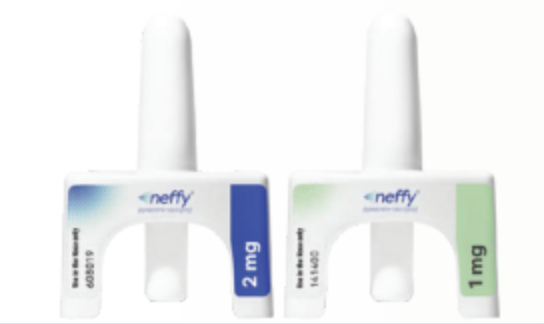
Emergency Instructions for Allergy first-aid meds in case of severe allergic reaction - Anaphylaxis:
1. Identify Anaphylaxis Use the EpiPen if the person has two or more of these symptoms after contact with an allergen:
Hives/Itching: Skin redness or swelling.
Swelling: Specifically of the lips, tongue, or throat.
Difficulty Breathing: Wheezing, chest tightness, or a hoarse voice.
Weak Pulse: Feeling dizzy, fainting, or looking very pale/blue.
GI Issues: Severe stomach cramps, vomiting, or diarrhea.
2. Call 911 Tell the operator: “I am treating a person for a severe allergic reaction (anaphylaxis) and have administered an EpiPen.” Anyone who receives epinephrine must go to the hospital by ambulance. A “rebound” reaction (biphasic anaphylaxis) can occur hours later once the initial dose wears off. 3. Administer the First-Aid Allergy Med depending on type of medication
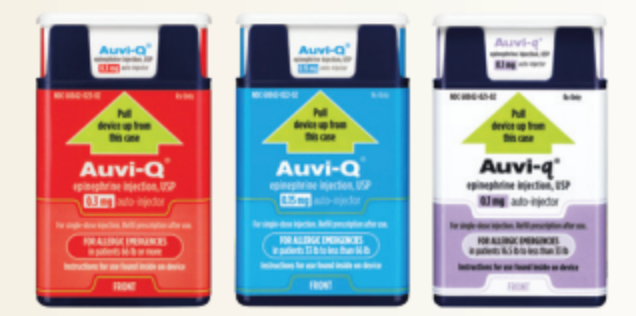
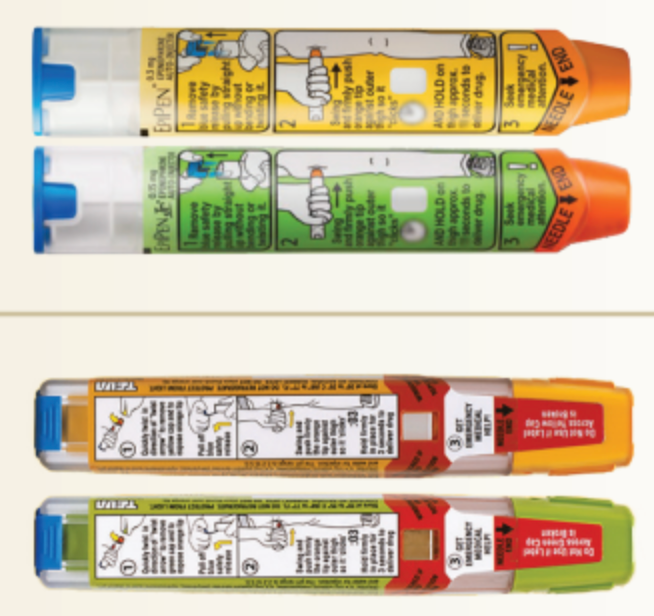
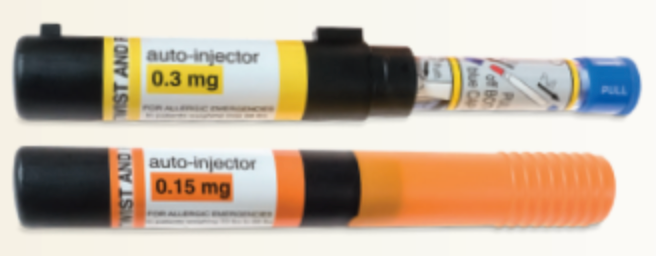
See photos below for instructions
4. Monitor and Repeat – Epinephrine works fast but is metabolized quickly. – If symptoms do not improve or they get worse after 5 to 15 minutes, and paramedics have not arrived, administer a second EpiPen (if available) in the other leg. 5. Position for Safety
Have the person sit or lie down.
If they are having trouble breathing, sitting up is usually best.
If they feel faint or dizzy, lay them flat on their back with their legs raised.
Tap image of first-aid allergy meds for instructions
Common treatment
Pure clinician will create a personalized treatment plan tailored to your needs and may recommend the following, as medically appropriate:
Steroids
Oral prescription medications/antihistamines for symptom management
Epinephrine to have on hand for first-aid in case of future emergency
Guided self-care
How It Works
Step 1 - Medical Intake
Complete a secure clinical assessment (medical intake) on our portal.
Step 2 - Provider Review
A clinician reviews your case and messages you directly.
Step 3 - Care Plan & Rx
Receive your diagnosis and treatment plan. Prescriptions are sent to your pharmacy of choice when medically appropriate.
Step 4 - Direct Communication Chat
Have any questions? Just message our team.
Step 5 - Proactive Follow-Up
Our concierge team will check in to confirm your treatment is right for you and your recovery is on track.
Message Pure clinician with any follow-up medical questions after receiving your treatment plan.
Insurance disclaimer: Pure’s services are not health insurance and are not a substitute for comprehensive health insurance. Pure is not intended to replace comprehensive coverage and if you desire any type of health insurance you must purchase such insurance separately.
Pure Access Management, Inc. | Pure Access Care of Florida, P.A.
Address: 407 Lincoln Rd. Suite 6H, PMB 7340, Miami Beach, FL 33139